

Introduction
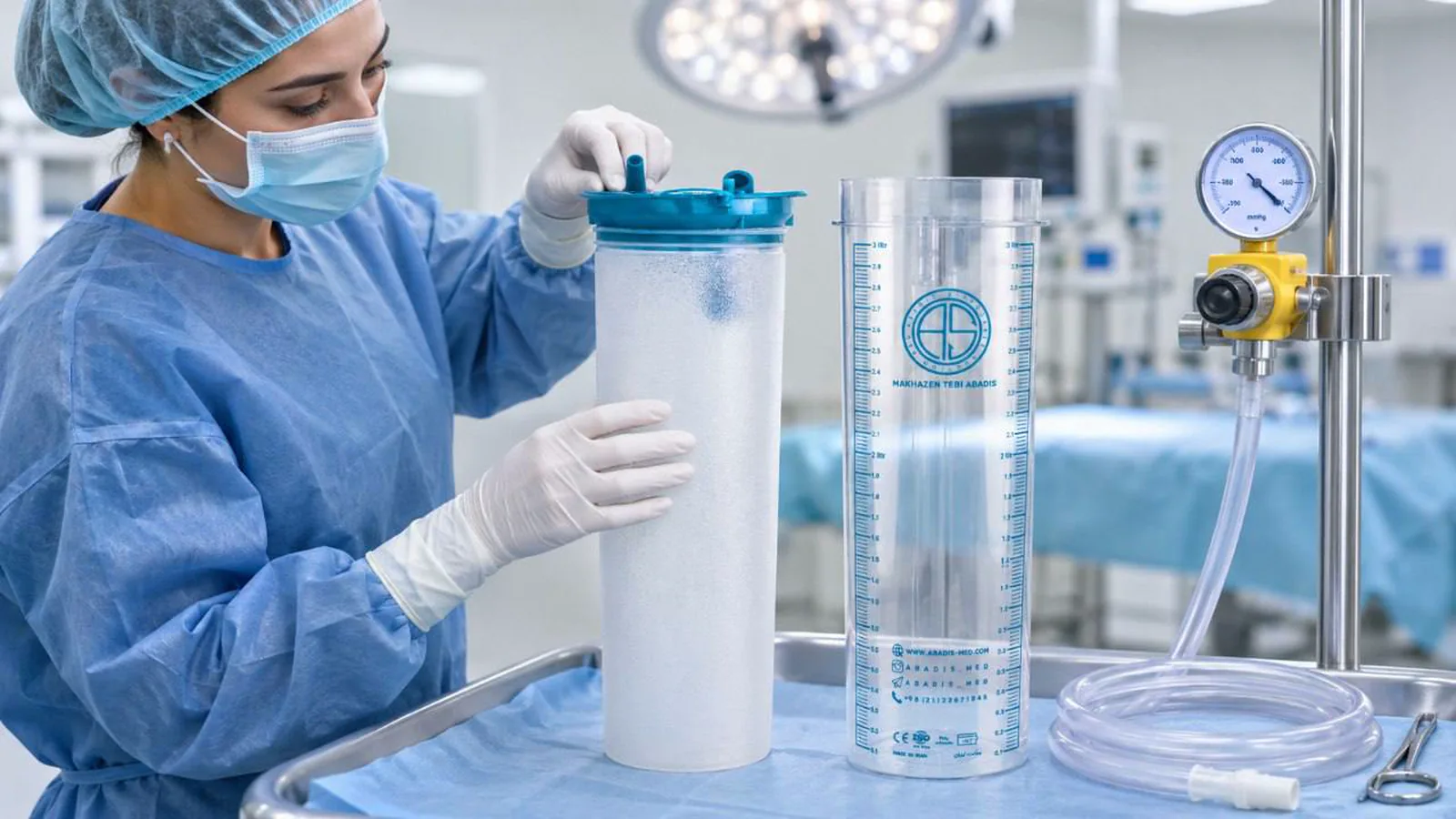
Surgical suction is an essential component of modern operating rooms, intensive care units, emergency departments, and other healthcare environments. It helps healthcare professionals remove blood, irrigation fluids, secretions, and other materials from the surgical field, supporting visibility and efficient clinical procedures.
Despite its routine use, surgical suction involves potential risks associated with contaminated fluids, equipment malfunction, occupational exposure, and inappropriate medical waste disposal.
Effective management of these risks requires suitable medical devices, well-defined operating procedures, infection prevention practices, and appropriate waste-handling systems.
The World Health Organization (WHO) provides internationally recognized guidance on infection prevention and control, surgical safety, medical device reprocessing, and healthcare waste management. These resources establish important principles that can be applied to surgical suction systems.
However, it is important to distinguish between WHO's broader infection prevention recommendations and technical requirements established by medical device standards.
WHO does not provide a single comprehensive guideline covering every technical and clinical aspect of surgical suction equipment. Instead, relevant practices are informed by several WHO publications, applicable ISO standards, manufacturers' instructions, and institutional clinical protocols.
This article examines these sources and explains how they support safer surgical suction practices, particularly in relation to disposable suction liners, suction canisters, tubing, protective filters, and contaminated fluid management.
What Is Surgical Suction?
Surgical suction refers to the controlled application of negative pressure to remove fluids and certain materials from a specified clinical area.
During surgery, blood, irrigation fluids, and other secretions can accumulate within the operative field. Suction equipment enables healthcare professionals to remove these materials as clinically indicated.
A typical surgical suction system consists of several interconnected components:
- A vacuum source or suction pump.
- A vacuum regulator.
- Suction tubing.
- A suction tip or other patient-contacting accessory.
- A collection canister or container.
- A disposable suction liner, where applicable.
- Protective filters or overflow-prevention components.
The precise configuration depends on the clinical application and the equipment manufacturer.
Surgical suction may be supplied through a central medical vacuum system or a portable electrically powered suction device.
The required suction performance varies according to the procedure, patient condition, and equipment design.
Consequently, no single vacuum pressure setting should be assumed appropriate for every surgical application.
Clinical suction parameters must be selected by qualified personnel according to the intended procedure and the applicable device instructions.
Why Is Infection Control Important in Surgical Suction?
Surgical suction systems may collect blood, body fluids, and materials containing potentially infectious microorganisms.
Improper handling can expose healthcare workers to contaminated liquids and potentially contribute to environmental contamination.
Important exposure pathways include:
- Leakage from collection containers.
- Accidental disconnection of suction tubing.
- Splashes during fluid disposal.
- Contact with contaminated device surfaces.
- Inadequate cleaning of reusable equipment.
- Incorrect handling of single-use components.
The WHO Global Guidelines for the Prevention of Surgical Site Infection emphasize the importance of coordinated infection prevention practices throughout the preoperative, intraoperative, and postoperative periods [1].
Although these guidelines do not prescribe a universal suction canister design, their broader principles support appropriate equipment handling and contamination prevention.
Surgical suction should therefore be considered part of the wider operating room infection prevention system rather than an isolated technical procedure.
WHO Guidance Relevant to Surgical Suction
Several WHO publications provide guidance that can inform hospital policies for suction equipment.
1. WHO Global Guidelines for the Prevention of Surgical Site Infection
The WHO published the second edition of its Global Guidelines for the Prevention of Surgical Site Infection in 2018.
These guidelines contain 29 recommendations covering 23 topics related to preventing surgical site infections [1].
The recommendations address important aspects of surgical infection prevention, including surgical hand preparation, antimicrobial prophylaxis, skin preparation, and other perioperative measures.
For surgical suction, their relevance is primarily indirect.
Suction equipment must be incorporated into operating room procedures in a way that supports aseptic practice and avoids unnecessary contamination of the surgical environment.
Hospitals should not describe specific suction canister features as WHO recommendations unless they are explicitly supported by the relevant guideline.
2. WHO Guidelines on Infection Prevention and Control Programmes
WHO's Guidelines on Core Components of Infection Prevention and Control Programmes provide a framework for strengthening infection prevention at national and healthcare facility levels [2].
The framework emphasizes institutional infection prevention programmes, evidence-based guidance, workforce education, surveillance, monitoring, and suitable healthcare environments.
Applied to surgical suction, these principles support the development of documented procedures for equipment preparation, use, waste handling, and post-procedure management.
3. WHO Guidance on Medical Device Reprocessing
WHO's Decontamination and Reprocessing of Medical Devices for Health-care Facilities provides guidance on cleaning, disinfection, sterilization, and related quality assurance procedures [3].
This guidance is relevant to reusable suction equipment.
Reprocessing requirements should depend on the intended use, contamination risk, device design, and manufacturer instructions.
Importantly, reusable equipment and single-use disposable components must not be treated as interchangeable.
4. WHO Guidance on Healthcare Waste Management
WHO's handbook Safe Management of Wastes from Health-care Activities addresses the identification, segregation, collection, treatment, and disposal of healthcare waste [4].
It specifically discusses contaminated operating room waste, including suction canisters and bodily fluids.
This makes it a particularly relevant resource for surgical suction waste management.
The appropriate disposal method depends on the characteristics of the collected material, available treatment infrastructure, and applicable local regulations.
Components of a Surgical Suction System and Their Safety Considerations
Each component of a surgical suction system has specific functional and safety requirements.
Suction Canisters
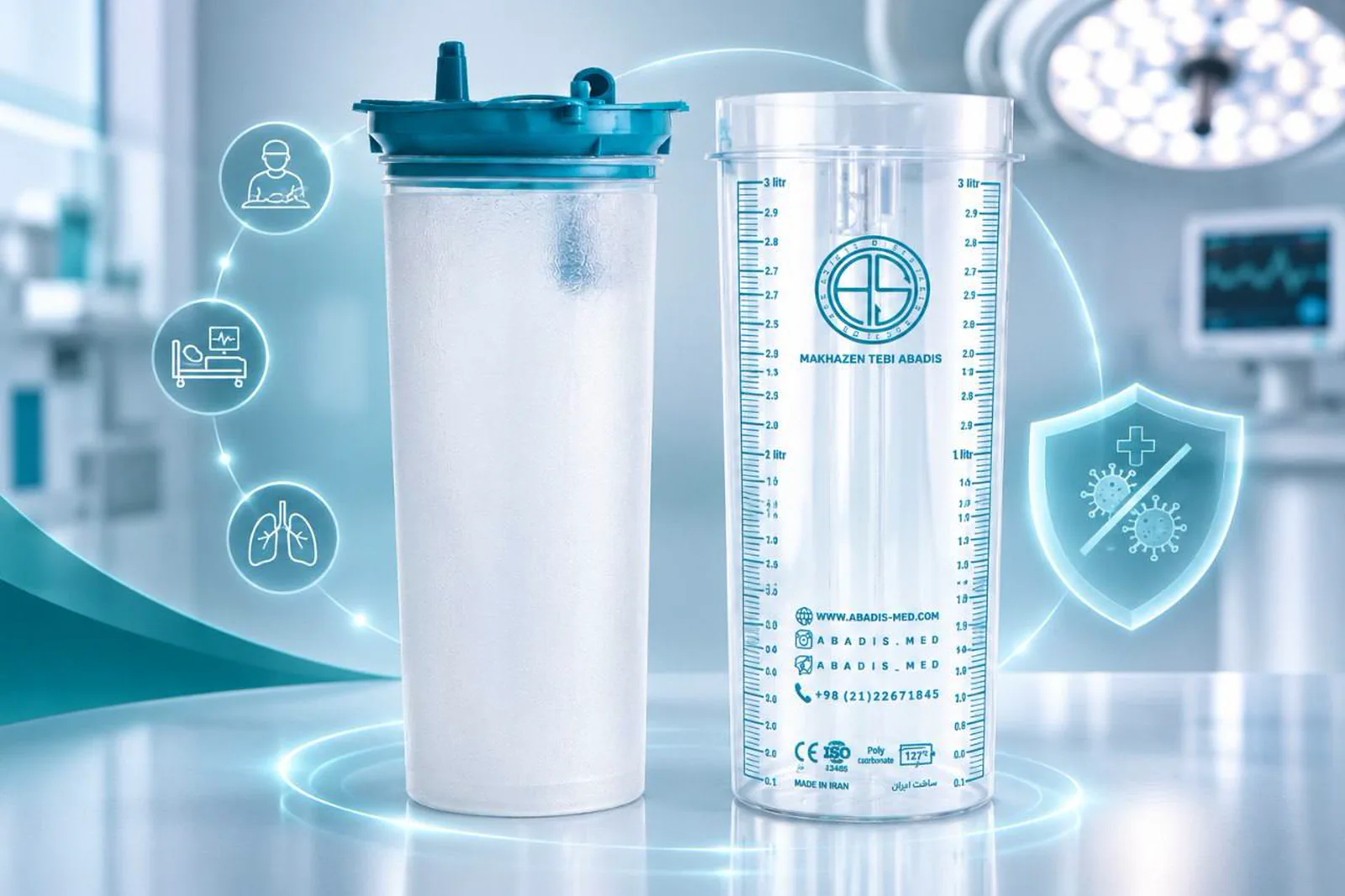
Suction canisters are containers designed to collect liquids removed during medical procedures.
They may be reusable or form part of a system incorporating disposable liners.
Important design considerations include container integrity, connection compatibility, stability, visibility of collected fluids, and suitability for the intended operating conditions.
Graduated markings may assist healthcare personnel in estimating collected fluid volumes.
However, volume markings should not automatically be considered a substitute for calibrated measurement when precise fluid assessment is required.
Disposable Suction Liner Bags
Disposable suction liner bags are designed to collect fluids within compatible suction canister systems.
Depending on the product design, liners may provide a defined containment pathway for collected liquids.
When used correctly, suitable liner systems may reduce certain manual handling steps associated with reusable collection containers.
However, actual reductions in contamination, occupational exposure, or cleaning requirements depend on the specific system and its validated performance.
Suction Tubing
Suction tubing transfers fluid and other permitted materials from the suction tip toward the collection system.
Tubing should be compatible with the relevant connectors and intended suction conditions.
Kinking, occlusion, physical damage, and insecure connections may compromise performance.
Hydrophobic and Protective Filters
Some suction systems use hydrophobic filters or other protective components.
Depending on their validated design, these components may help prevent liquid from entering designated downstream parts of the system.
However, liquid-barrier performance and microbial filtration performance are separate characteristics.
A hydrophobic filter should not be described as antibacterial or as preventing microbial transmission unless those claims have been appropriately demonstrated.
WHO Principles for Safe Surgical Suction Practices
WHO infection prevention and medical device guidance supports a systematic approach to equipment safety.
The following practices are practical applications of broader WHO principles, relevant technical standards, and established equipment-management practices.
Before the Surgical Procedure
Before use, healthcare personnel should verify that the suction equipment is suitable for the planned clinical application.
Relevant checks include confirming the availability of a functional vacuum source, compatible components, an appropriately installed collection system, and secure connections.
The collection container or liner should be inspected for visible damage or other defects.
Where sterile suction tips or tubing are required, package integrity and product labeling should be checked.
The suction assembly should also be prepared in accordance with the manufacturer's instructions.
WHO's Surgical Safety Checklist includes checks related to equipment concerns and confirmation of sterility [5].
Although the checklist does not specify a universal suction inspection sequence, hospitals may incorporate appropriate suction readiness checks into their local procedures.
During the Surgical Procedure
During surgery, suction should be operated by appropriately trained personnel.
The applied suction level must be suitable for the clinical purpose and the device.
The team should monitor the system for leakage, disconnection, obstruction, or signs of improper operation.
Collection container fill levels should be monitored in accordance with the equipment instructions.
Staff should minimize unnecessary manipulation of contaminated fluid pathways.
If a component becomes damaged, contaminated, or otherwise unsuitable for continued use, appropriate action should be taken according to the clinical protocol.
After the Surgical Procedure
At the end of the procedure, the suction system should be managed according to its design and the hospital's infection prevention procedures.
Disposable components should be handled and discarded according to their intended use and the applicable waste classification.
Reusable equipment should undergo the required cleaning and disinfection or sterilization processes.
WHO emphasizes that decontamination involves multiple controlled steps and that validation and quality assurance are essential for effective medical device reprocessing [3].
Safe Management of Surgical Suction Waste
The collection and disposal of surgical fluids is one of the most important operational aspects of suction system management.
Suction canisters may contain blood, irrigation solutions, body fluids, and other materials.
Some contents may require special handling because of infectious, chemical, pharmaceutical, or other hazards.
The WHO healthcare waste handbook identifies suction canisters and body fluids as examples of waste generated in operating theatres [4].
Waste Classification
Collected fluids should be classified according to their actual hazards.
Not every liquid generated during surgery has identical disposal requirements.
For example, collected material containing hazardous pharmaceutical or chemical substances may require different management from non-hazardous aqueous fluids.
Hospitals must follow applicable national regulations and local waste management procedures.
Minimizing Occupational Exposure
Personnel handling suction waste should use appropriate personal protective equipment based on exposure risks.
Waste-handling procedures should minimize splashing, leakage, and unnecessary opening of contaminated containers.
Collection systems should not be overfilled beyond the manufacturer's specified limit.
Whenever possible, unnecessary transfer of contaminated fluids between containers should be avoided.
These are practical risk-control principles rather than evidence that a particular collection system eliminates infection risks.
Disposal of Liquid Waste
WHO's healthcare waste handbook discusses liquid waste disposal in relation to the available wastewater infrastructure and the characteristics of the waste.
It describes certain drain-disposal practices under restricted circumstances, with suitable protective measures and precautions against splashing.
However, these passages should not be interpreted as a universal recommendation to discharge all surgical suction waste into hospital drains.
The appropriate method must account for local regulations, wastewater treatment capacity, and potential infectious, pharmaceutical, or chemical hazards.
Reusable Versus Disposable Suction Collection Systems
Hospitals may use reusable collection containers, disposable liner systems, or combinations of both.
Each approach presents different operational considerations.
| Evaluation Criteria | Reusable Collection System | Disposable Liner System |
|---|---|---|
| Fluid collection | Reusable container | Disposable collection liner within compatible system |
| Post-use processing | May require validated cleaning and disinfection | Used liner requires appropriate disposal |
| Waste generation | Depends on cleaning supplies and replaced components | Generates disposable liner waste |
| Occupational exposure | Depends on emptying and reprocessing procedures | Depends on liner design and handling procedures |
| Resource consumption | May involve water and cleaning chemicals | Involves consumable materials and waste management |
| Quality requirements | Reprocessing validation and equipment integrity | Product integrity, compatibility, and disposal procedures |
Neither approach can be considered universally superior.
A comprehensive evaluation should consider patient safety, occupational exposure, infection prevention requirements, resource consumption, operating costs, and environmental impacts.
International Standards for Medical Suction Equipment
WHO publications provide important public health and clinical guidance, while international technical standards address the safety and performance of medical devices.
For suction systems, the ISO 10079 series is particularly relevant.
ISO 10079-1:2022
ISO 10079-1:2022 specifies safety and performance requirements for electrically powered medical and surgical suction equipment [6].
It covers equipment used in healthcare facilities and certain other medical environments.
The standard has an amendment published in 2026.
Its relevance should be determined according to the device's intended use and configuration.
ISO 10079-3:2022
ISO 10079-3:2022 addresses suction equipment powered by vacuum or positive-pressure gas sources [7].
It is relevant to certain systems connected to medical gas pipeline infrastructure and related suction equipment.
ISO 10079-4:2021
ISO 10079-4:2021 establishes general requirements for medical suction equipment.
Requirements in the ISO 10079 series must be applied according to the relevant product scope.
It would be inaccurate to assume that every standalone suction liner or accessory is independently certified under every part of ISO 10079.
ISO 13485:2016
ISO 13485 establishes quality management system requirements for organizations involved in the medical device industry.
It supports processes such as purchasing control, production management, product traceability, complaint handling, and corrective actions.
However, ISO 13485 certification does not independently verify the performance of every medical device manufactured by a certified company.
ISO 14971:2019
ISO 14971 provides a framework for applying risk management to medical devices.
For surgical suction systems, relevant hazards may include fluid leakage, component disconnection, incorrect vacuum application, filter failure, and improper handling.
The appropriate risk controls depend on the specific product and its intended application.
The Role of Hydrophobic Filters in Surgical Suction Safety
Hydrophobic filters are used in selected medical suction applications where protection against liquid passage is required.
Their operation relies on the characteristics of the filter material and its interaction with liquids under defined conditions.
However, filter performance depends on factors such as pore structure, pressure differential, fluid properties, and system configuration.
For procurement and quality assessment, healthcare organizations should examine documented performance rather than relying only on the term hydrophobic.
Relevant technical questions may include whether the filter has undergone appropriate liquid breakthrough testing, whether it is compatible with the suction system, and whether any microbiological performance claims have been validated.
Filters should always be installed and replaced according to the manufacturer's instructions.
Common Surgical Suction Safety Risks
Several risks should be addressed during equipment selection and clinical use.
Fluid Leakage: Damaged containers, loose connections, or incompatible accessories may allow collected fluids to escape.
Overflow: Excessive filling may compromise system performance or create additional handling risks.
Tubing Obstruction: Kinks, clots, or accumulated material may interfere with suction performance.
Inappropriate Vacuum Levels: Suction settings unsuitable for the procedure may create clinical risks or impair performance.
Cross-Contamination: Incorrect handling or inadequate reprocessing can create opportunities for contamination.
Improper Waste Disposal: Incorrectly classified or handled suction waste can expose staff and waste handlers to hazardous materials.
Risk management should include both technical controls and staff training.
How Hospitals Can Implement Safer Surgical Suction Procedures
Effective equipment management requires more than purchasing suitable products.
Hospitals should establish documented procedures covering preparation, use, inspection, waste management, and cleaning.
A practical implementation programme can include the following elements.
1. Standardized Equipment Selection
Hospitals should define technical specifications for suction equipment and accessories.
Selection criteria may include compatibility, material quality, system integrity, collection capacity, and regulatory documentation.
2. Staff Training
Operating room personnel should receive training in equipment preparation, safe handling, troubleshooting, and waste disposal.
Training should be repeated when equipment designs or procedures change.
3. Infection Prevention Integration
Surgical suction procedures should be coordinated with the hospital's infection prevention and control programme.
Relevant departments may include operating room management, infection control, biomedical engineering, environmental services, and procurement.
4. Performance Monitoring
Hospitals should monitor relevant equipment problems and reported incidents.
Examples include leakage events, connection failures, inappropriate disposal, and preventable occupational exposure.
5. Corrective and Preventive Actions
Identified problems should be investigated to determine their causes.
Corrective measures may involve product replacement, revised procedures, additional training, or supplier evaluation.
Practical Surgical Suction Safety Checklist
The following checklist is an example for institutional adaptation. It is not an official WHO surgical suction checklist.
| Stage | Suggested Safety Check |
|---|---|
| Before use | Confirm equipment suitability for the procedure |
| Before use | Inspect canister, liner, tubing, and connections |
| Before use | Confirm correct installation of relevant protective components |
| Before use | Verify vacuum system functionality |
| During use | Monitor suction performance and tubing integrity |
| During use | Observe container fill level |
| During use | Avoid unnecessary handling of contaminated components |
| After use | Segregate and manage disposable components appropriately |
| After use | Reprocess reusable components according to validated procedures |
| After use | Clean and disinfect relevant equipment surfaces |
| Quality review | Record significant equipment incidents and corrective actions |
Each institution should adapt this checklist to its equipment, procedures, and regulatory requirements.
Surgical Suction and Environmental Sustainability
Healthcare organizations increasingly aim to improve infection prevention while reducing unnecessary environmental impacts.
Surgical suction systems may influence water use, cleaning chemical consumption, waste generation, and material handling.
For example, certain disposable liner systems may reduce the need to clean reusable collection containers after each procedure.
However, they also generate disposable waste.
Therefore, overall environmental performance cannot be determined from one characteristic alone.
Comparative assessments should consider manufacturing, transportation, clinical use, cleaning requirements, and end-of-life management.
Life Cycle Assessment (LCA) may help evaluate these factors.
Environmental claims should be based on transparent methodology and reliable product-specific data.
ABADIS MED and Surgical Fluid Management
ABADIS MED is a knowledge-based medical device manufacturer specializing in medical fluid and secretion management solutions.
Its product portfolio includes disposable suction liner bags, suction canisters, suction tubing, and specialized filters.
These products form part of compatible medical suction systems used in healthcare environments.
In surgical settings, suitable collection equipment can support the organized management of fluids and secretions.
Product characteristics such as container integrity, connection compatibility, and appropriate handling are important considerations for healthcare facilities.
ABADIS MED operates within a medical device quality management framework, including ISO 13485:2016 certification.
However, product-specific compliance, filtration performance, or infection reduction claims must be evaluated separately according to the relevant technical documentation.
The company's focus on medical fluid management makes surgical suction safety, infection prevention, and healthcare waste handling important educational subjects for its customers and healthcare partners.
Frequently Asked Questions About WHO Guidelines for Surgical Suction
Does WHO Have Specific Guidelines for Surgical Suction?
WHO provides guidance relevant to surgical suction through publications on surgical site infection prevention, infection control, medical device reprocessing, and healthcare waste management.
These should not be confused with a single comprehensive WHO technical standard for every surgical suction component.
What Is the Main Infection Control Risk Associated with Surgical Suction?
Potential risks include contact with contaminated fluids, leakage, inappropriate handling, and inadequate reprocessing of reusable equipment.
The importance of each risk depends on the device and clinical circumstances.
Are Disposable Suction Liners Safer Than Reusable Containers?
Not necessarily in every situation.
Safety depends on product design, handling procedures, compatibility, reprocessing quality, and validated performance.
What Is the Purpose of a Hydrophobic Filter?
In suitable designs, a hydrophobic filter may help prevent liquid from passing into designated parts of a suction system.
Its exact protective capabilities must be verified through product-specific testing.
Can Surgical Suction Waste Be Disposed of Through a Drain?
Not universally.
Disposal requirements depend on the waste characteristics, applicable regulations, and wastewater treatment infrastructure.
WHO discusses specific circumstances, but does not provide blanket authorization for unrestricted drain disposal.
Which International Standards Apply to Medical Suction Equipment?
The ISO 10079 series includes standards relevant to medical suction equipment.
ISO 13485 and ISO 14971 also provide frameworks for quality management and risk management.
Applicability depends on the product and its intended use.
How Should Suction Canisters Be Cleaned?
Reusable suction canisters should be cleaned and disinfected or otherwise reprocessed according to the manufacturer's validated instructions and institutional procedures.
Disposable liners should not be reused contrary to their labeling.
Conclusion
Surgical suction plays an important role in modern medical procedures by enabling the removal and collection of fluids from specified clinical areas.
However, safe suction management requires appropriate equipment, effective infection prevention practices, trained healthcare personnel, and suitable waste management procedures.
WHO publications provide a valuable framework for infection prevention, surgical safety, medical device reprocessing, and healthcare waste handling.
These recommendations should be interpreted alongside applicable technical standards, manufacturer instructions, and institutional policies.
For hospitals, key priorities include selecting compatible suction equipment, preventing avoidable leakage and occupational exposure, maintaining effective post-procedure processes, and monitoring equipment performance.
Medical device manufacturers also contribute by providing appropriately designed products and reliable technical information.
Ultimately, safe surgical suction is not defined by a single device feature, but by the combined effectiveness of equipment design, clinical practice, infection prevention, and waste management.
Scientific References
[1] World Health Organization (WHO). Global Guidelines for the Prevention of Surgical Site Infection. Second Edition. 2018.https://www.who.int/publications/i/item/9789241550475
[2] World Health Organization (WHO). Guidelines on Core Components of Infection Prevention and Control Programmes at the National and Acute Health Care Facility Level. 2016.https://www.who.int/publications/i/item/9789241549929
[3] World Health Organization (WHO). Decontamination and Reprocessing of Medical Devices for Health-care Facilities. 2016.https://www.who.int/westernpacific/publications/i/item/9789241549851
[4] World Health Organization (WHO). Safe Management of Wastes from Health-care Activities. Second Edition. 2014.https://www.who.int/publications/i/item/9789241548564
[5] World Health Organization (WHO). WHO Surgical Safety Checklist. 2009.https://www.who.int/docs/default-source/patient-safety/9789241598590-eng-checklist.pdf
[6] International Organization for Standardization. ISO 10079-1:2022 – Medical Suction Equipment: Electrically Powered Suction Equipment. Including Amendment 1:2026.https://www.iso.org/standard/81532.html
[7] International Organization for Standardization. ISO 10079-3:2022 – Medical Suction Equipment Powered from a Vacuum or Positive Pressure Gas Source.https://www.iso.org/standard/81534.html
[8] World Health Organization (WHO). Decontamination and Reprocessing of Medical Devices for Health-care Facilities: Aide-Memoire. 2022.https://www.who.int/southeastasia/publications/i/item/WHO-UHL-IHS-IPC-2022.4
[9] Centers for Disease Control and Prevention (CDC). Environmental Cleaning Procedures: Operating Rooms.https://www.cdc.gov/healthcare-associated-infections/hcp/cleaning-global/procedures.html
[10] World Health Organization (WHO). Preventing Surgical Site Infections: Implementation Approaches for Evidence-Based Recommendations. 2018.https://www.who.int/publications/i/item/9789241514385